
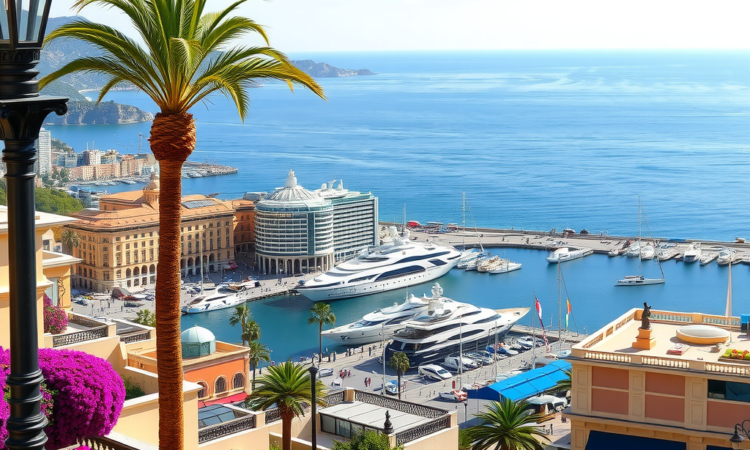
Relocating to Monaco is an exciting prospect, whether you’re drawn by its stunning Mediterranean location, glamorous lifestyle, or attractive tax regime. Nestled on the French Riviera, this tiny principality boasts a reputation for luxury that captivates affluent expatriates from around the globe. However, making the move necessitates careful planning and knowledge to navigate the unique landscape of living in Monaco.
This guide aims to provide you with essential information on all aspects of relocating to Monaco. From understanding its residency requirements to uncovering housing options, we’ll cover everything you need to ensure a smooth transition into your new life in this extraordinary destination.
Understanding Residency Requirements
Before you set your sights on the sun-kissed streets of Monaco, it is crucial to grasp the residency requirements. Unlike many countries, Monaco does not impose a minimum stay requirement to acquire residency; however, you must demonstrate financial self-sufficiency. The principality mandates that you either work there, start a business, or possess sufficient funds to support your lifestyle without burdening public resources.
To apply for residency, you will need to gather various documents, including a valid passport, proof of a clean criminal record, and evidence of accommodation in Monaco. Properties can be leased or purchased, but renting is often more accessible for newcomers. Your application must be submitted to the Monaco government, which usually processes requests within a few weeks.
The Financial Landscape
One of the leading reasons people consider relocating to Monaco is its favourable tax regime. Monaco is known for having no wealth, income, or capital gains taxes for individuals. This attractive tax structure is a significant draw for high-net-worth individuals and entrepreneurs. However, to take advantage of these benefits, it’s essential to fully understand the financial landscape and any associated costs.
While there are no direct taxes, you should still expect to pay a range of indirect taxes on goods and services, as well as a modest 0.5% annual property tax if you own property. Additionally, if you are a resident of Monaco, you may still be liable for taxes in your country of origin, depending on your specific circumstances. It is advisable to consult a financial expert knowledgeable in international tax laws to optimise your situation.
Accommodations in Monaco
Finding the perfect accommodation is crucial when relocating to Monaco. With limited space and a high demand for housing, the property market can be quite competitive. The princely country offers various housing options, including luxury apartments, villas, and penthouses, often featuring breathtaking sea views and high-end amenities.
Rental prices vary widely based on location and size; however, it is essential to budget accordingly, as typical rents range from €3,500 to over €30,000 per month in prime areas. Some popular neighbourhoods for expatriates include Monte-Carlo, La Condamine, and Fontvieille. Given the complexities of the local market, working with a reputable real estate agent can significantly ease the search process.
Healthcare and Insurance
Monaco is renowned for its top-tier healthcare system, with hospitals and clinics equipped with state-of-the-art facilities and experienced medical professionals. Upon relocating to Monaco, it is advisable to register with the local health insurance system, known as the “Caisse de Compensation des Services Sociaux.” This will grant you access to public healthcare services.
While public healthcare is substantial, many residents also opt for private health insurance for added convenience and flexibility. Private insurance can cover additional services, such as dental care and specialist consultations. Ensure that your chosen plan aligns with your health needs and financial capacity.
Education Options
For families relocating to Monaco, finding the right educational institutions for children is a critical consideration. The Principality offers a range of schooling options, including both public and private institutions. The public schools are free and largely taught in French, while international schools offer curricula in English and other languages, catering to a diverse community.
Some reputable international schools include the International School of Monaco and the Monaco English International School. With consistently high standards, these schools provide excellent educational opportunities, but be aware that spaces can be limited. Early registration is highly recommended to secure a place for your child.
Relocating to Monaco offers a unique blend of luxury and an exceptional lifestyle. Nestled on the French Riviera, it boasts stunning coastal views, a favorable tax environment, and a vibrant cultural scene. Whether you’re seeking a serene retreat or an active community, Monaco has it all. For detailed guidance and support during your move, visit https://www.relocation-monaco.com/.
Social and Cultural Life
Moving to Monaco offers residents a vibrant social and cultural scene that is unparalleled. With its annual events such as the Monaco Grand Prix and the Monaco Yacht Show, there is always something happening. The principality is also home to numerous art galleries, museums, and performance venues, including the renowned Monte-Carlo Philharmonic Orchestra.
Networking is vital in Monaco’s community, particularly for expatriates looking to establish professional connections. Various clubs and organisations, such as the Monaco Chamber of Commerce, provide ample opportunities to meet like-minded individuals and foster relationships in both social and business contexts.
FAQ: Relocating to Monaco
What are the benefits of relocating to Monaco?
Relocating to Monaco offers numerous benefits, including a high standard of living, a favorable tax regime (no personal income tax), stunning Mediterranean views, luxurious amenities, and a safe environment. The principality also boasts a vibrant international community and excellent healthcare services.
What is the cost of living like in Monaco?
The cost of living in Monaco is among the highest in the world. Housing, dining, and entertainment can be quite expensive. However, many expatriates find that the quality of life and available services justify these costs.
Do I need a visa to relocate to Monaco?
Yes, if you are not an EU/EEA citizen or from certain exempt countries, you will need a visa to reside in Monaco. The most common option for long-term residency is through obtaining a residence permit.
How can I find housing when relocating to Monaco?
Housing can be challenging due to high demand and limited availability. It is advisable to work with local real estate agents who specialise in rentals or purchases within the principality. Websites focusing on luxury accommodations can also provide listings.
Are there schools available for expat children in Monaco?
Yes! There are several international schools available in Monaco offering curriculums like British or French education systems. This makes it easier for expatriate families with children.
What languages are spoken in Monaco?
The official language is French; however, English is widely spoken due to the large expatriate community. Italian and Monegasque may also be heard but less frequently compared to French and English.
How efficient is public transportation within Monaco?
Monaco has an excellent public transportation system that includes buses connecting different parts of the city-state as well as easy access by train from neighboring cities like Nice and Menton. Due to its small size, many residents prefer walking or using bicycles around town.
Is healthcare readily accessible for residents of Monaco?
Absolutely! Healthcare services in Monaco are top-notch—with modern facilities offering both public and private health care options—which cater well even for expatriates residing there.
Is it safe living in Monte Carlo?
Monaco consistently ranks as one of the safest places worldwide with very low crime rates making it comfortable for residents both during day time activities & nightlife alike!
Feel free if further clarification regarding specific questions related towards “Relocating To Monoco!”
Considering relocating to Monaco? This stunning destination offers a vibrant lifestyle with beautiful Mediterranean views, luxurious amenities, and a favorable tax environment. Explore what makes Monaco an ideal place to live by visiting relocating to monaco today!
Navigating Daily Life
The tiny principality boasts an efficient public transportation system, including buses, trains, and ferries, making it easy to navigate your new environment. Although Monaco is small, you can easily reach neighbouring cities and regions using these services. However, many residents prefer to drive, and parking can be a challenge given the limited space.
Additionally, while English is widely spoken, especially in the expatriate community, learning some basic French phrases is recommended. This not only helps in day-to-day interactions but also demonstrates your willingness to integrate into Monaco’s unique culture.