
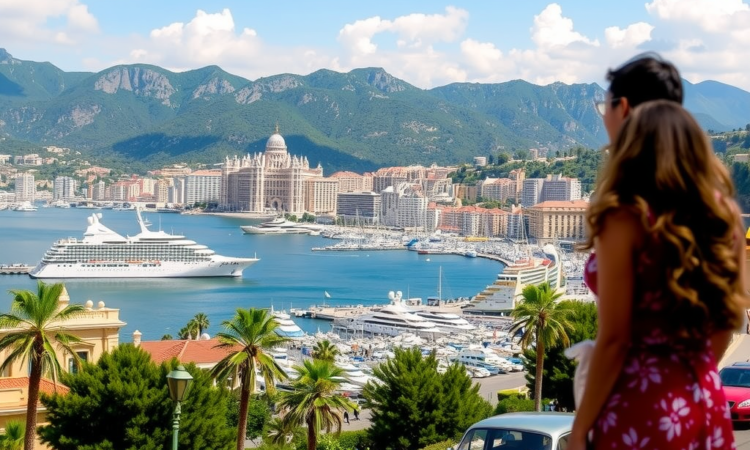
Relocating to Monaco can be an exciting yet daunting venture. Nestled along the stunning French Riviera, this small but glamorous principality is famed for its luxurious lifestyle, favourable tax regime, and breathtaking Mediterranean views. As you ponder the idea of making Monaco your home, it is crucial to equip yourself with the right knowledge and insights to make the transition smooth and enjoyable.
In this guide, we will delve into several aspects of relocating to Monaco, from understanding the legal requirements to navigating the housing market and integrating into the local community. Whether you’re moving for work, retirement, or simply a change of scenery, the insights provided here will help pave your way to a successful Monaco relocation.
FAQ: Relocating to Monaco
What are the benefits of relocating to Monaco?
Relocating to Monaco offers numerous advantages, including a favorable tax environment, high quality of life, beautiful Mediterranean surroundings, a robust healthcare system, excellent education facilities, and a vibrant culture. Residents enjoy safety and security in one of the world’s most secure environments.
What is the residency process for moving to Monaco?
To relocate to Monaco, you must apply for residency. This process typically requires proof of sufficient financial means (via bank statements or income), a clean criminal record certificate from your home country, and accommodation in Monaco. Following submission of required documents at the local police station or Monegasque government office will initiate the process.
Do I need a visa to relocate to Monaco?
Whether you need a visa depends on your nationality. Citizens from European Union countries do not require a visa for relocation; however, non-EU nationals may need a long-stay visa before applying for residency in Monaco. It’s essential to check with local consulates or embassies about specific requirements based on your citizenship.
How much does it cost to live in Monaco?
Living costs in Monaco can be high due mainly to real estate prices and overall living expenses. Rent prices vary significantly depending on location and size but tend towards premium rates given limited space. Personal lifestyle choices (dining out vs cooking at home) also influence monthly living costs.
Is healthcare available if I relocate to Monaco?
Yes! If you’re relocating to Monaco as a resident, you’ll have access along with their world-renowned healthcare system which provides public health services under the AME (L’Assistance Médicale État) program alongside private health insurance options available too.
What is the education system like in Monaco?
Monaco offers diverse educational opportunities ranging from public schools run by Monegasque government—to private international schools that follow curricula like British or American systems making sure expatriate families have suitable overall choices based upon personal preferences & needs!
Are there job opportunities when relocating to Monte Carlo?
While job availability primarily depends upon individual qualifications & skill sets typically catering towards professionals seeking employment catered within finance sectors marketing sectors hospitality industries technology notably gaming industry thrives here making various roles available plus generous conditions offered by employers encouraging retention amongst skilled labour force just another reason worth considering relocation so they can live where they work!
Should I learn French before moving?
Though English is widely spoken within hospitality neighborhoods using general phrases might ease day-to-day experiences especially building relationships since locals often appreciate efforts made learning their language hence acquiring some foundational understanding proves beneficial both socially personally professionally while adapting seamlessly other cultures enriches global perspective gained through exploration!
Relocating to Monaco offers a unique blend of luxury, culture, and a Mediterranean lifestyle. With stunning views and an inviting climate, it’s an ideal destination. Discover essential tips for your move by visiting https://www.relocation-monaco.com/.
Understanding the Legal Requirements
Before embarking on your new journey, it’s essential to understand the legal framework surrounding Monaco relocation. As a non-EU citizen, securing residency can be somewhat more complex compared to EU nationals. You will need to present a compelling reason for your move, which may include employment, business investments, or family ties.
To reside in Monaco, you must apply for a residency permit, which requires you to prove sufficient financial means. This is typically done by demonstrating a steady income or substantial savings. The funds must be deposited in a Monaco bank, and you may also need a lease for a property within the Principality. Importantly, there is no standard minimum amount; the goal is to show an ability to support yourself financially.
Finding Accommodation
When considering relocating to Monaco, your choice of accommodation is of utmost importance. Housing in Monaco is renowned for being among the most expensive in the world, largely due to the limited supply of properties. The housing market is highly competitive, reflecting the desirability of the area.
There are various options available, including apartments, villas, and penthouses, each with unique features and facilities. If you’re searching for a family-friendly environment, consider areas such as Fontvieille or La Condamine. For those seeking a more vibrant atmosphere, Monte Carlo offers a wealth of amenities, restaurants, and entertainment options. It’s advisable to engage a knowledgeable real estate agent familiar with Monaco’s housing market to assist you in finding a suitable residence that meets your needs and budget.
Financial Considerations and Tax Benefits
Monaco is often considered a tax haven due to its lack of personal income tax for residents. This advantage can drastically affect your financial status, making it an attractive destination for high-net-worth individuals. However, understanding the financial implications of your move is vital to ensure a successful relocation.
While there is no income tax, residents do pay a small tax on rental properties and certain business activities. Additionally, property purchases are subjected to registration fees and notary fees, which can range between 7% to 10% of the property value. Make sure to consult a financial advisor who specialises in Monaco to gain insights tailored to your individual circumstances.
Creating a budgeting plan prior to your move will help you manage your finances effectively as you adapt to the cost of living, which is notably high in this affluent city-state.
Navigating the Healthcare System
One of the most significant aspects of relocating to Monaco is understanding the healthcare system. The principality boasts a high standard of medical services, with both public and private hospitals available. As a resident, you are entitled to access the public healthcare system, known for its excellent quality and modern facilities. However, registering for health insurance is strongly recommended to ensure full coverage.
For those wishing to remain under international health insurance, many expatriates choose to subscribe to private health insurance plans that cater to various levels of personal medical needs. Understanding the similarities and differences between the public and private options will allow you to make informed decisions regarding your healthcare in Monaco.
Embracing Cultural Integration
Relocating to a new country involves more than just physical relocation; it is equally about integrating into a new culture. Monaco is a melting pot of various nationalities and cultures, with French being the official language. However, English is widely spoken, especially among the expatriate community, which can ease your adjustment period.
To truly embrace the culture, engage with local customs, participate in community events, and consider taking French classes. Networking with fellow expatriates can also provide valuable insights and ease your transition. There are numerous social clubs and groups focused on various interests, from sports to art and business, that can facilitate your integration into the local community.
Educational Opportunities
If you are relocating with children, you may be particularly focused on educational opportunities available in Monaco. The principality offers several high-quality public and private schooling options. The Lycée Albert Ier and the International School of Monaco are popular options, providing curricula that meet both local and international standards.
In addition, Monaco’s proximity to France and Italy offers excellent access to broader educational resources, allowing for a well-rounded educational experience for your children. Researching and visiting schools prior to your move ensures that your children will be well catered for and supported in their educational journey as you embark on your new life in Monaco.