
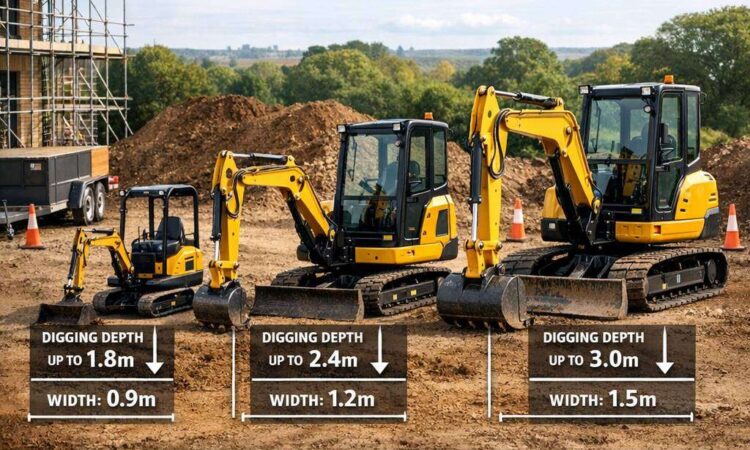
Mini diggers are the unsung heroes of construction and landscaping projects. Compact, versatile, and highly productive, they unlock access to sites where larger machines simply cannot operate. In this guide, we’ll explore the different sizes of mini diggers, common applications, and practical tips for selecting the right model—whether you’re buying or renting.
What counts as a mini digger?
In the UK construction sector, a mini digger typically refers to an excavator with an operating weight from around 0.8 to 6 tonnes. This range includes compact machines that can be transported on a standard trailer and manoeuvre in tight spaces. The smallest models are ideal for indoors or restricted spaces, while the larger end of the spectrum can handle more demanding ground conditions and heavier workloads. When shopping for mini diggers for sale, you’ll often see classifications by weight class, digging depth, and reach.
Sizes and their typical uses
Different sizes of mini diggers suit different tasks. Here’s a quick guide to help you match the machine to the job.
- Up to 1.5 tonnes: Best for indoor work, urban sites, and very tight spaces. These micro units often have zero-tail-swing, which prevents overhang when working near walls or obstacles. Applications include trenching for utilities, garden landscaping, and small drainage tasks.
- 1.5 to 3 tonnes: A popular choice for DIY enthusiasts and small-managed projects. These mini diggers strike a balance between power and compactness, enabling effective trenching, planting, and backfilling in suburban sites or roofed courtyards.
- 3 to 4 tonnes: Suitable for moderate site work, such as larger trenches, estate maintenance, and more substantial earthmoving. They offer deeper digging depths and longer booms while still offering good room to manoeuvre in confined spaces.
- 4 to 6 tonnes: The upper end of the mini digger range. These machines perform well on dusty or uneven terrain, with greater breakout forces and digging reach. They’re commonly used for install work, drainage, and heavier landscaping tasks where access is limited but more productivity is required.
If you’re weighing used mini diggers for sale, verify maintenance history, hydraulic checks, and any wear to undercarriage components to ensure the machine will perform reliably on site.
Key features to consider
When selecting a mini digger, a handful of features will influence productivity and usability.
- Dig depth and reach: Most projects dictate the minimum digging depth needed. Ensure the model you choose exceeds your required depth by a safe margin to accommodate ground irregularities.
- Boom swing and offset: A variable or offset boom increases flexibility, letting you trench close to walls or foundations without repositioning the machine excessively.
- Hydraulic flow and attachments: A robust hydraulic system supports a range of attachments, from breakers and rippers to augers and trenchers. If you foresee using diverse tools, confirm compatibility and available flow rates.
- Undercarriage type: Tracks offer stability and reduced ground damage, while wheels provide portability and faster travel between sites. For tight urban sites, weight and ground pressure are additional considerations.
- Operator comfort and controls: A well-designed cab with clear visibility, ergonomic seating, and intuitive controls reduces fatigue on long sessions. Look for adjustable seats, good ventilation, and Integrated Monitoring Systems (IMS) for maintenance alerts.
- Safety features: Modern mini diggers include proximity sensors, closed cab options, ROPS/FOPS protection, and emergency shut-offs. If you’re working near pedestrians or with public access, these features become particularly important.
Looking for reliable performance and compact power? A mini digger is the perfect solution for tight spaces and precise site work. Ideal for trenching, utilities, and landscaping, it delivers efficiency, operator comfort, and impressive reach for its size. When choosing equipment, consider fuel efficiency, reliability, and service support. For more options, explore our range and compare models. https://www.sanyuk.com/category/excavators/mini-excavators/
FAQ: Mini Digger
What is a mini digger?
A mini digger, also known as a mini excavator, is a compact hydraulic excavator designed for digging, trenching, and other earthmoving tasks in tight spaces. It typically weighs between 1 to 6 tonnes and features a conventional or zero-tail-swing boom for versatility on small job sites.
What are the typical uses for a mini digger?
Common uses include:
- Trenching for drainage and utilities
- Landscaping and garden projects
- Site clearance and excavation in confined spaces
- Small demolition tasks
- Embankment and drainage channel work
What size mini digger should I rent or buy?
Size depends on job requirements:
- Light residential work: 1–3 tonnes
- Medium construction or utilities: 3–5 tonnes
- Larger confined-space tasks: 5–6 tonnesConsider reach, digging depth, power, and transportability when choosing.
What digging depth and reach do mini diggers offer?
Digging depth typically ranges from about 1.5 to 4.5 meters, with reach from around 2.5 to 6 meters depending on the model and configuration. Always check the specification sheet for the exact model you’re considering.
What attachments are available for mini diggers?
Common attachments include:
- Buckets (various widths)
- Hydraulic breaker (hammer)
- Auger drive and drill bits
- Thumb attachment for grabbing
- Sweepers and trenchers
- Rippers and grapples
What are the operating requirements for a mini digger?
- Valid operator training or certification where required
- Access to a suitable fuel source and refueling plan
- Proper site access and ground conditions
- Compliance with local regulations and site safety rules
What safety features should I look for?
- ROPS/FOPS protection
- Reversing alarms and mirrors
- travel and boom limit switches
- Proximity or load-sensing hydraulics
- Seat belt and protective guards
- Stable counterweight and outriggers (if applicable)
Can I rent a mini digger for short-term or long-term projects?
Yes. We offer flexible rental options ranging from daily to weekly to monthly terms. We can also arrange longer-term leases or project-based packages depending on your needs.
Do I need training to operate a mini digger?
Operator training is often required by law or insurance for many sites. If you’re unfamiliar, we can provide or arrange training resources and ensure you have access to a certified operator.
What about delivery and pickup?
We provide delivery and on-site setup, including placement and safety checks. Choose your preferred delivery window, and we’ll arrange transport from our depot to your site and return when finished.
What fuel type do mini diggers use?
Most mini diggers run on diesel. Some electric or hybrid models are available in select fleets. Check the specific model’s fuel type before rental or purchase.
How should I maintain a mini digger on site?
- Regularly check hydraulic oil, fuel, and coolant levels
- Inspect tracks or wheels and undercarriage for wear
- Check blade and bucket pins for play
- Grease movement points as recommended by the manufacturer
- Clean air filters and remove debris from the cab
What if I encounter a fault or breakdown?
Contact our support team immediately. We offer 24/7 assistance for urgent breakdowns and can arrange on-site repairs or replacement equipment as needed.
Are there environmental or site restrictions?
Some sites may have noise, emissions, or soil-disturbance restrictions. We can help select a model that complies with local regulations and plan operations to minimise environmental impact.
How do I choose the right mini digger for my project?
- Assess trenching depth and reach required
- Consider space constraints and turning radius
- Evaluate lift capacity and stability
- Review accessibility for transport and site entry
- Factor in operator skill level and required attachments
Do you offer used or refurbished mini diggers?
Yes, we offer a range of certified pre-owned and refurbished mini diggers that undergo thorough inspections and come with limited warranties. Contact us for current stock and pricing.
Choosing the right model for your project
Selecting the right mini digger depends on balance: capability, cost, and site constraints. Use this practical approach to guide your decision.
- Define the work: List the tasks you’ll perform—trenching depth, excavation width, material handling, and any specialised operations (like augering or breaker use). This helps determine required digging depth, reach, and hydraulic needs.
- Assess site constraints: Consider access, ground conditions, and proximity to structures. If space is narrow or there are overhead lines, a smaller model with zero-tail-swing could be essential.
- Budget and lifecycle costs: Compare purchase price, hire rates, maintenance, insurance, and resale value. For some projects, used mini diggers for sale can be a cost-effective option, provided you factor in maintenance and potential repairs.
- Availability of attachments: If you anticipate using multiple tools, verify that the chosen model supports a wide range of attachments and that spare parts are readily available locally.
- Service and support: Check the supplier’s after-sales service, routine maintenance packages, and the ease of access to trained technicians. A reliable service network reduces downtime and extends the life of your investment.
Practical tips for safe and productive operation
- Inspect before use: Check the hydraulic hoses, pins, bucket wear, and undercarriage components for signs of damage or excessive wear. Address issues promptly to prevent failures on site.
- Plan the workflow: Map out trench lines, avoid rework, and ensure a clear path for material removal. This reduces idle time and maximises productivity.
- Protect the ground: Use mats or boards to reduce ground disturbance in sensitive or finished areas, particularly when using tracked machines on soft ground.
- Mind the noise and emissions: In urban environments, consider machines with lower noise levels and compliant emissions. Renting or buying new can be a greener and quieter option.
- Training and certification: Ensure operators are competent and familiar with safety features. A certified operator reduces risk and improves efficiency.
Maintenance and long-term value
Regular maintenance pays dividends in uptime and resale value. For both new and used mini diggers, schedule routine checks on hydraulic pressure, engine coolant, air filters, and battery condition. Keep a service log, document any repairs, and track wear patterns on the undercarriage and bucket. When selecting mini diggers for sale, request maintenance records and proof of recent servicing to gauge long-term reliability.
If you’re exploring options for mini diggers for sale or used mini diggers, consult reputable equipment suppliers who provide full disclosure on condition, history, and warranty options. A well-chosen model, coupled with thoughtful operation and maintenance, will serve you well across a wide range of projects—from compact garden transformations to more demanding site works.
A mini digger is perfect for tight spaces, delivering powerful digging performance without sacrificing maneuverability. Ideal for landscaping, utilities, and small-scale construction projects, it reduces disruption while boosting productivity. Explore rental options and see how this compact machine can transform your site. https://www.sjhallplant.com For more information, contact our team today.