
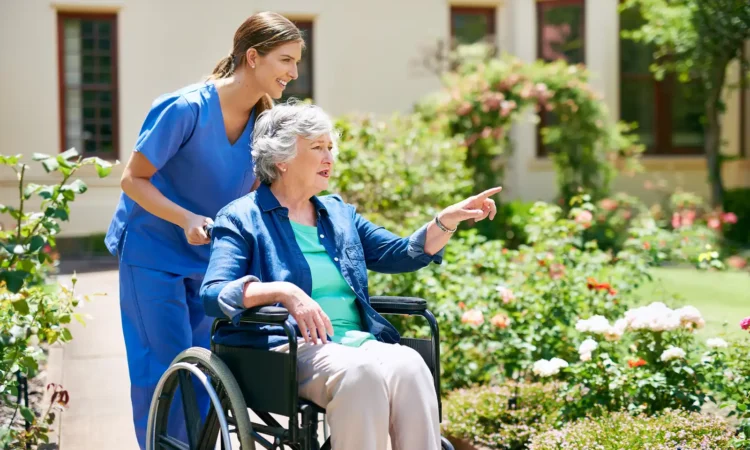
There’s a conversation most families postpone for years, usually while striding along a footpath precisely so nobody has to make eye contact: what happens when Mum or Dad needs help? The postponing is understandable and universally regretted, because the conversation eventually happens anyway, and the only choice is whether it happens calmly over tea or urgently in a hospital corridor.
Why it goes wrong, when it goes wrong
The classic failure is the ambush: three adult children arriving with a plan and a brochure, which the parent correctly hears as a verdict. Independence is the thing at stake, so any approach that starts by threatening it fails on contact. The conversations that work run the other way: they start from what the parent wants to keep, not what the family wants to fix. Staying in the house. Keeping the garden. Still walking to the paper shop. Then, and only then: what support would protect exactly those things?

Framed that way, help stops being surrender and becomes strategy. A weekly cleaner is how the garden stays viable. A morning visit is how the walking stays daily. Providers like CareUK247 build support around precisely that logic, starting small and growing only as needed, which is the version of the future most parents will actually discuss.
Make it about the house first
The gentlest opening isn’t about care at all; it’s about the building. Grab rails fitted while they’re unnecessary, better stair lighting, the bathroom sorted during a planned refit: all of it reads as sensible maintenance rather than decline. We covered the full checklist in future-proofing the family home, and it doubles as a conversation on wheels: an hour spent walking the house together, talking about thresholds and light switches, quietly establishes that planning ahead is normal in this family.
Money is the other early topic that repays daylight. Not “can we afford care” but the calmer groundwork: where the paperwork lives, whether powers of attorney exist, what entitlements like Attendance Allowance would apply. Age UK, at ageuk.org.uk, publishes conversation-friendly guides to every piece of this, written for exactly these kitchen tables.
Little and often beats big and once

The single best structural choice is to make this a running conversation rather than an event. Raise it lightly, drop it when it’s had enough air, return next season. Walks are genuinely the ideal venue, and not only for the eye-contact reasons: motion loosens talk, and the subject matter, staying active, staying out on these paths for another twenty years, is literally underfoot.
However it’s raised, the goal isn’t a decision. It’s a family where the topic has lost its electric charge, so that when a decision is eventually needed, it lands on prepared ground. The families who manage that describe the eventual arrangements the way walkers describe a well-planned route: no drama, decent pace, and everyone still speaking at the end of it.