
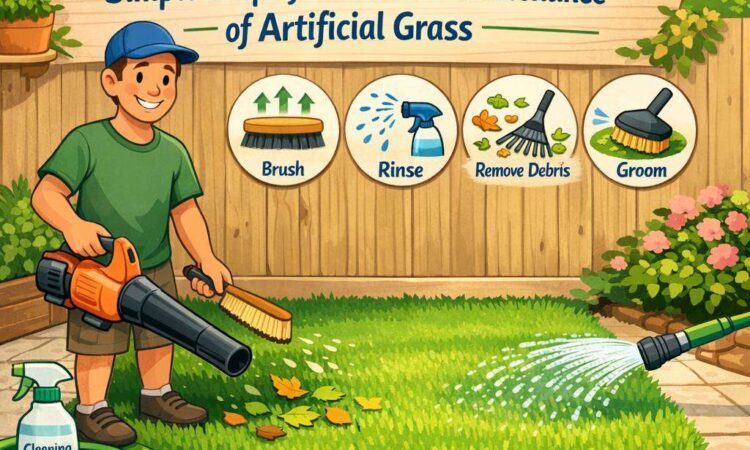
Maintenance of artificial grass is essential for longevity and aesthetics. Regular brushing, debris removal, and periodic cleaning keep fibers upright and surfaces even. For detailed turfcare guidance, consult this resource: https://www.smg-gmbh.de/en/turf/maintenance/turfcare-tca1400. Consistent upkeep reduces wear and preserves playability.
As artificial grass becomes a staple in homes, schools, and sports facilities, understanding straightforward maintenance routines is essential. This beginner’s handbook offers practical, expert-backed steps to keep artificial grass looking pristine, prolong its life, and ensure safe, usable surfaces. From daily upkeep to seasonal checks, the guidance here covers common questions about maintenance artificial grass and helps you identify when to call an artificial grass maintenance service for more complex tasks.
Getting started: planning your maintenance routine
A proactive approach to artificial grass maintenance uk requires a simple schedule you can follow year-round. Begin with a basic weekly sweep to remove debris and a monthly inspection to check joints, infills, and drainage. For households and small facilities, a light routine may suffice, while larger sites such as schools or clubs can benefit from a formalised plan. Keeping a log of inspections and any repairs helps track the health of the lawn and makes artificial grass maintenance near me easier when you need specialist assistance.
Daily and weekly care: basics you can perform yourself
- Remove debris: Leaves, twigs, and litter should be cleared with a stiff nylon bristle brush or a low-powered outdoor vacuum. Regular debris removal prevents drainage blockages and reduces staining.
- Brush in the correct direction: Use a sweeping motion with a soft, wide-tooth brush to lift the pile and restore the grass fibres. Brushing in the same direction keeps a uniform appearance.
- Check for pet waste: If you have pets, promptly remove solids and rinse the area with clean water. For odour control, a diluted mild disinfectant can be used, ensuring it is safe for artificial grass and does not affect tufting.
- Inspect for wear: Look for loose seams, damaged edging, or uneven fibres. Early detection prevents more extensive repairs later.
Monthly inspection: assess drainage, infill, and seams
- Drainage check: Ensure surface water is draining freely. Clear any blown leaves or settled debris from drainage channels and joints.
- Infill maintenance: If the product uses silica sand or rubber infill, ensure it is evenly distributed. Uneven infill can affect playability and surface contact.
- Seam and edging: Inspect seams for cohesion and verify that edging remains secure. If you notice lifting or separation, address it promptly with appropriate adhesive or professional assistance.
- Pests and odour control: In cooler months, inspect for mould, mildew, or pests. Rinse or treat as needed with products safe for artificial grass.
Seasonal care: adapting to weather and wear
- Spring: After winter, brush thoroughly to remove compacted debris, inspect for moss or mould, and refresh infill as required. This helps reinvigorate colour and softness after damp periods.
- Summer: Increased use and heat can cause fibres to lie flat. Regular brushing and light water rinsing can help keep a lifelike appearance and moderate temperatures on the surface.
- Autumn: Fallen leaves accumulate quickly. Increase the frequency of debris removal and check drainage after heavy rainfall. Ensure guttering and drainage paths remain clear.
- Winter: Wet, cold conditions can encourage moss or algae growth in shaded areas. Use an approved anti-moss treatment if required, ensuring compatibility with your product’s backing and fibres.
Maintenance of artificial grass is essential for a pristine, durable appearance year-round. Regular brushing, debris removal, and seasonal rinses prevent matting and odor buildup. For in-depth tips, consult the guide below. https://turffactorydirect.com/blog/artificial-turf-maintenance-guide/
Maintaining performance: cleaning methods and products
- Water-based cleaning: For routine maintenance, plain water is often enough to remove dust and small debris. A gentle rinse can refresh the surface without loosening infill.
- Soap solution: For stubborn stains, mix a mild detergent with water to lift marks. Rinse thoroughly to prevent residue build-up.
- Algae and mould control: In damp climates, algae can form on shaded sections. Use a proprietary anti-algae solution compatible with your artificial grass and observe manufacturer guidelines.
- Avoid harsh chemicals: Do not use aggressive solvents, bleach, or strong pesticides, as these can degrade fibres, backing, and infill over time.
When to consider professional help: artificial grass maintenance service
- Uneven surfaces or significant seam lifting: If edges are curling, seams are separating, or the surface feels uneven, a professional service can re-tuft or re-seal the area and restore playability.
- Ongoing drainage problems: If water pools persist after rainfall, a drainage assessment may be necessary to identify underlying issues.
- Large-scale pet odour or staining: For persistent odours or large areas affected by pets, specialised treatments from an artificial grass maintenance service can provide deeper cleaning and deodorising.
- Regular upkeep across multiple pitches or sites: For clubs, schools, or commercial spaces, scheduling routine maintenance uk with a dedicated provider ensures standards remain consistent.
Choosing a provider: what to look for
- Experience with your product: Confirm familiarity with the exact artificial grass system you have installed, including backing and infill type.
- Service scope: Ensure the provider offers routine maintenance, deep cleans, infill refreshment, seam repairs, and quality checks.
- References and guarantees: Request case studies or references from similar installations and inquire about guarantees for workmanship.
- Proximity and accessibility: Availability of artificial grass maintenance near me reduces response times for urgent issues.
Maintenance of artificial grass: best practices for longevity
- Regular brushing: Maintain fibre lift and appearance; do not rely on vacuuming alone for installations with fibres that require grooming.
- Infill management: Periodically refresh infill as needed to preserve cushioning and stability, particularly on high-traffic artificial pitches.
- Protective measures: Where possible, limit heavy equipment traffic on the grass and use tailored mats or pathways to reduce wear.
- Seasonal reviews: Schedule a professional assessment at least annually to catch subtle issues before they escalate.
Maintaining artificial grass doesn’t have to be intimidating. With a structured routine, clear responsibilities, and access to appropriate support—whether you’re performing day-to-day chores or engaging an artificial grass maintenance UK specialist—you can preserve aesthetics, safety, and performance for years to come. Whether you are looking to maintain artificial grass in a domestic garden or a multi-use pitch, a thoughtful approach to maintenance artificial grass will yield lasting results.
Maintenance of artificial grass is simple with a regular routine that preserves its lifelike look and durability. Start by clearing debris, then rinse and brush to simulate natural turf. For stubborn stains, use mild soap and avoid harsh chemicals. maintenance of artificial grass Regular brushing in high-traffic areas prevents matting and keeps fibers upright, enriching overall aesthetics.
Maintaining a pristine lawn with maintenance of artificial grass is easier than you might think. Regular brushing keeps density and pile direction uniform, while debris removal prevents staining. Periodic washing with water removes dust and pet mess, and a mild biocide can deter mold in damp climates. For expert guidance, visit https://www.artificialgrassmaintenance.co.uk for detailed tips and professional services. With proper care, your synthetic turf stays vibrant, safe, and low-maintenance for years to come.