
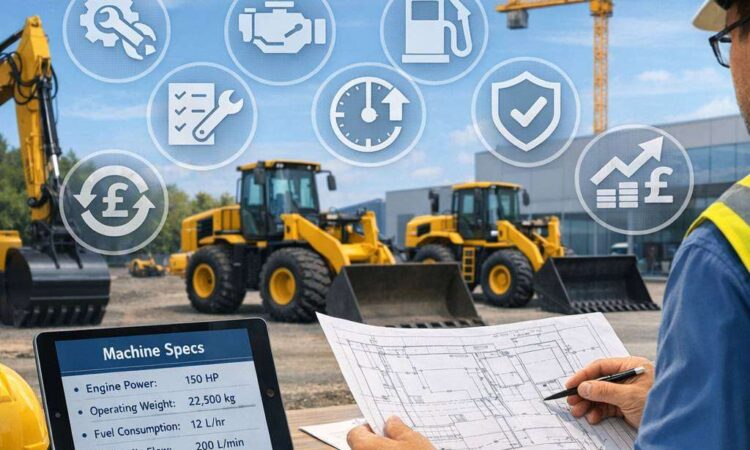
Buying plant machinery is a significant investment for any contractor or business involved in construction. Whether you are looking at new equipment or exploring options in the used plant market, making an informed choice can save you time, money, and potential headaches down the line. In this guide, we explore the key factors to consider when buying plant machinery for sales, helping you navigate the landscape of used plant for sale and other options with confidence.
For buyers, understanding market dynamics and evaluating equipment thoroughly are essential steps. This article offers a practical framework to assess options, compare costs, and ensure you select machinery and plant that meet your project needs and budget. From reliability to after-sales support, the right decisions can optimise productivity and long-term value.
FAQ: Plant Machinery Sales
What is plant machinery sales?
Plant machinery sales refers to the purchase of heavy equipment and machinery used in construction, mining, and related industries. This includes excavators, bulldozers, loaders, cranes, Dump trucks, and other heavy equipment, sold new or used by manufacturers and dealers.
Do you offer both new and used plant machinery sales?
Yes. We offer a range of new and used plant machinery for sale. New equipment comes with manufacturer warranties and the latest features, while used equipment provides cost savings with varying condition histories. Each listing includes specifications, age, hours, and any available service records.
How do I choose the right plant machinery for my project?
Consider factors such as the scope of work, required lifting capacity, reach, operating weight, hydraulic flow, terrain, and jobsite constraints. Our sales team can help match equipment to your needs, and we can arrange inspections and, if needed, demonstrations.
What financing options are available for plant machinery sales?
We offer flexible financing options, including leases, hire purchase, and traditional loans. We can also connect you with preferred lenders and provide tailored payment schedules based on project timelines and depreciation considerations.
Do you provide delivery and installation for plant machinery?
Yes. We can arrange delivery to your site and, if applicable, on-site setup, commissioning, and operator training. Delivery costs and service availability depend on location and equipment type.
What maintenance and warranty options come with plant machinery sales?
New equipment typically includes manufacturer warranties. Used equipment may come with limited warranties or as-is, with optional extended warranties and paid maintenance plans available. We can outline service history, maintenance needs, and warranty coverage for each unit.
Can I trade in existing equipment when purchasing plant machinery?
Many of our customers trade in or part-exchange their current equipment. We’ll assess your trade-in, provide a market-based value, and apply it toward your new purchase or rental, depending on your preference.
How can I verify the condition and history of used plant machinery?
We provide full asset histories, hours/meters readings, service records, and, where possible, independent inspections or third-party reports. We can arrange or accompany you on an on-site inspection.
Are there any restrictions on purchasing plant machinery sales?
Restrictions may include regional regulations, licensing requirements, or compliance with safety and environmental standards. Our team can guide you through regulatory requirements relevant to your location and project.
Do you offer bundles or packages for multiple machines?
Yes. We can create equipment bundles tailored to your project, combining complementary machines (e.g., excavator, loader, roller) with bundled financing, delivery, and maintenance plans for cost efficiency.
What documents are needed to complete a plant machinery purchase?
Typically, you’ll need proof of identity, business or company information, financial references or approval, and any required permits or compliance certificates. Our sales team will provide a precise checklist based on your location and purchase type.
How do I get a quote for plant machinery sales?
You can request a quote online via our form, by calling our sales team, or by visiting our showroom. Provide your project details, required equipment, quantity, and preferred terms to receive an accurate quote.
What after-sales support do you offer for plant machinery purchases?
We offer ongoing support including parts availability, scheduled maintenance, operator training, and access to service technicians. Our team can also assist with equipment lifecycle planning and resale or upgrade strategies.
How does the warranty process work for plant machinery sales?
Warranty terms are defined at purchase. For covered issues, contact our support team or the manufacturer’s warranty provider as instructed. We help coordinate warranty claims and ensure appropriate service is performed.
Can I see equipment before buying?
Yes. We encourage on-site demos or showroom demonstrations. For used equipment, we can arrange independent inspections or bring equipment to a test site where feasible.
Do you sell accessories and attachments for plant machinery?
Yes. We offer compatible attachments, spare parts, and accessories to maximise equipment versatility and efficiency. Our team can advise on fitment and compatibility.
If you’d like, I can tailor these FAQs further to your brand voice, add FAQs about specific equipment types you sell (e.g., excavators, forklifts, cranes), or incorporate regional regulatory details.
1) Define Your Project Requirements
Before you start shopping, clarify the specific tasks your machinery must perform. Consider factors such as:
- Load capacity, reach, and lifting height
- Power source (diesel, electric, hybrid)
- Terrain compatibility and mobility
- Operational hours and expected workload
- Site constraints (noise, emissions, space)
A precise brief helps you avoid overspending on features you do not need and ensures that your chosen plant machinery aligns with project goals. It also provides a solid basis for comparing options in plant and machinery sales.
2) Assess Total Cost of Ownership
Buying is not just the purchase price. When evaluating plant machinery, consider:
- Purchase price or rental rate
- Fuel consumption and efficiency
- Maintenance and repair costs
- Parts availability and service intervals
- Depreciation and resale value
- Insurance and storage costs
For used plant for sale, factor in potential refurbishment needs, warranty coverage, and the reliability of previous usage. A holistic view of total cost of ownership helps you avoid hidden expenses and makes price comparisons meaningful.
3) Verify Provenance and Documentation
Legitimate, well-documented equipment reduces risk. When reviewing used plant and machinery, request:
- Original build documents and serial numbers
- Maintenance records and service history
- Previous operator and usage details
- Any outstanding recalls or safety updates
- Clear title or ownership documentation
Ensuring clean provenance supports smoother transfer of ownership and protects you in plant and machinery sales.
4) Inspect Condition and Inspectability
A thorough inspection is essential, especially with second hand plant machinery. Key checks include:
- Structural integrity: frames, booms, welds, and mounts
- Hydraulic system: leaks, hose wear, cylinder performance
- Engine and alternator: starting ability, smoke, oil quality
- Transmission, brakes, and steering responsiveness
- Controls, gauges, alarms, and safety systems
- Attachments and compatibility with existing fleets
If possible, arrange a test run or a demonstration to assess real-world performance. For UK buyers, look for detailed inspection reports and, if available, independent pre-purchase inspections.
5) Check Usage History and Durability
How a machine was used greatly influences future reliability. Seek information on:
- Hours of operation and duty cycle
- Types of jobs performed and loads handled
- Environment (urban sites, harsh weather, dusty conditions)
- Maintenance regime and parts replacement patterns
Equipment with modest hours but poor maintenance can be riskier than higher-hour machines kept under regular service. Compare usage history across candidates to gauge durability and expected remaining life.
6) Evaluate Availability of Spare Parts and Service
Access to parts and qualified technicians is critical for uptime. Consider:
- Proximity to authorised dealers or service partners
- Availability of common spare parts and consumables
- Manufacturer warranty and authorised refurbishment options
- Technical training for your operators and maintenance staff
In the UK, a robust network for used plant equipment for sale and post-sale support can reduce downtime and extend the life of plant machinery.
Plant machinery sales through our trusted team offer reliable equipment for every project, backed by competitive pricing and responsive support. We provide flexible options, from purchase to short- and long-term rental, with certified inspections and ongoing maintenance plans. For facilities budgeting and funding considerations, learn more at https://educate.iowa.gov/pk-12/operation-support/school-facilities/funding. Choose our plant machinery sales for efficiency, uptime, and long-term value.
7) Consider Compliance and Safety
Plant machinery must comply with current safety and emissions regulations. Check:
- CE marking and UK conformity where applicable
- Safety features: ROPS, FOPS, emergency stops, fall protection, alarms
- Emission standards and noise levels
- Operator manuals, safety signage, and training requirements
Non-compliance can lead to costly fines, project delays, or unsafe working conditions, undermining the value of the investment.
Looking for reliable plant machinery sales? Our expert team sources, inspects, and delivers a wide range of high-performance options to suit any job site. From compact excavators to heavy-duty loaders, trust quality, value, and after-sales support. For more details, visit www.sjhallplant.com/ and discover our current inventory and competitive pricing today. Your next project starts here.
Discover top-tier plant machinery sales for reliable construction performance. Our inventory features versatile equipment, competitive pricing, and flexible financing to suit projects of all sizes. From excavators to loaders, we supply trusted machines backed by expert support. https://www.chubb.com/au-en/business/mobile-plant-equipment-insurance.html Explore options, compare models, and secure your next purchase with confidence today.
8) Evaluate Financing and Risk Mitigation
Explore financing options that fit your business model, such as:
- Cash purchase or outright buy
- Hire purchase or finance lease
- Operating or finance leasing
- Shared ownership or consortia for expensive assets
Assess the risks of each option, including interest rates, maintenance responsibilities, and end-of-term conditions. For those considering used plant and machinery, negotiate warranties or limited safety checks to protect against unforeseen faults.
Discover reliable plant machinery sales from a trusted partner. Our curated selection includes excavators, loaders, and complete fleets to fit any project. With flexible financing and nationwide delivery, you can count on competitive pricing and proven performance. Explore our inventory now at https://www.sjhallplant.com and secure the best deals for your next job. Invest with confidence in plant machinery sales.
9) Assess Compatibility with Your Fleet
Consider how the new plant machinery integrates with your existing equipment and processes. Look at:
- Common attachment interfaces and hydraulic systems
- Telemetry, remote monitoring, and maintenance scheduling
- Operator training requirements and competency levels
- Standardisation of parts and consumables
A cohesive fleet reduces downtime and simplifies maintenance, training, and inventory management.
10) plan for Future Needs and Resale Value
Finally, think ahead. Anticipate potential project extensions, site diversification, or shifts in demand. Factors to weigh include:
- Potential resale value based on make, model, and market trends
- Upgrade paths or modular equipment options
- Availability of renewed warranties or certified pre-owned programmes
- Brand reputation and reliability in plant and machinery sales
Choosing equipment with strong resale potential and flexible upgrade options can improve long-term financial performance.
In summary, buying plant machinery for sales — whether you are sourcing new equipment or exploring used plant for sale UK options — hinges on clarity of needs, thorough evaluation, and forward planning. By systematically assessing project requirements, total cost of ownership, provenance, condition, support, safety, financing, fleet compatibility, and future value, you can make informed decisions that optimise efficiency, reliability, and return on investment in the world of plant and machinery sales.