
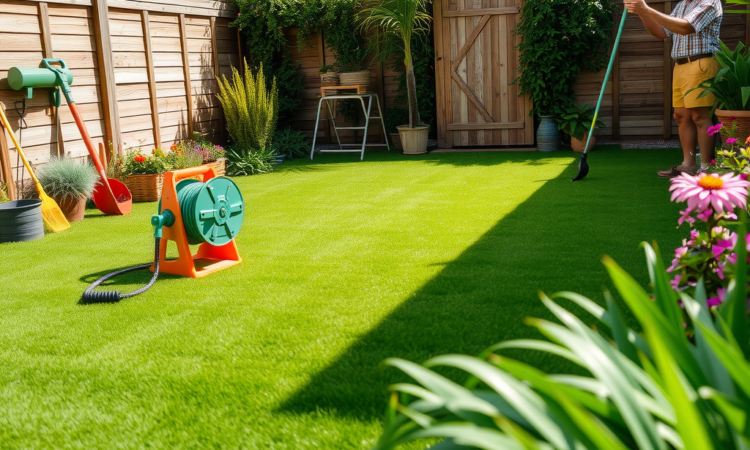
Artificial grass has become a popular choice for both residential and commercial properties, offering a versatile and low-maintenance alternative to natural turf. With its evergreen appeal and the ability to withstand various weather conditions, artificial grass provides an attractive solution for year-round enjoyment. However, maintaining artificial grass is essential to ensure its longevity and aesthetic appeal. This guide presents ten effective tips for the maintenance of artificial grass throughout the year, keeping your outdoor space looking pristine.
Despite being relatively low-maintenance compared to natural grass, artificial turf still requires some care. Proper artificial grass maintenance can prolong its lifespan, enhance its appearance, and ensure a safe, enjoyable environment for families and pets. From regular cleaning to addressing potential issues with drainage and infill levels, this guide covers everything you need to know for effective artificial grass maintenance in the UK.
Regular Cleaning
One of the most critical aspects of artificial grass maintenance is regular cleaning. Leaves, dirt, and debris can accumulate on your turf, leading to a clumpy appearance. Use a leaf blower, stiff broom, or rake to remove loose debris, and regularly vacuum or brush the surface to keep it looking tidy. Scheduling this cleaning process every couple of weeks helps maintain the fresh aesthetics of your artificial pitch.
Rinse the Surface
In addition to physical cleaning, rinsing your artificial grass is essential for removing dust and pet waste that may settle on the surface. A simple garden hose will suffice for this task—just make sure to use a gentle spray to avoid displacing your infill. Rinsing every few weeks, especially in high-use areas, promotes cleanliness and odour elimination, making your outdoor space welcoming.
Address Pet Waste Promptly
If you have pets, it’s essential to clean up promptly after them. While artificial grass is designed to withstand pet activities, leaving waste for extended periods can cause unpleasant odours and create health concerns. Use a plastic bag to pick up solid waste and rinse the area with water to remove any residual urine. Many pet owners also opt for specialised pet-friendly cleaning products for artificial grass maintenance to eliminate any lingering odours.
Manage Infill Levels
Proper infill levels are vital for the maintenance of artificial grass. Infill materials not only provide cushioning but also support the blades of grass, helping them stand upright. Over time, infill can settle or get washed away, leading to uneven surfaces. Regularly check the infill levels and top up as necessary. If you’re unsure about the maintenance artificial grass requires, consider an artificial grass maintenance package which often includes infill replenishment.
Watch for Weeds
Although weeds don’t usually penetrate artificial grass due to the underlying layers, some persistent varieties can find their way through seams or small gaps. Regular inspections of your turf will help catch any emerging weeds early. If you see weeds, promptly remove them by hand or use appropriate herbicides that are safe for artificial grass to prevent them from taking hold.
FAQ: Maintain Artificial Grass
How often should I maintain artificial grass?
Maintaining artificial grass typically involves regular brushing and occasional rinsing to remove debris. Ideally, you should conduct maintenance at least once a month, but frequency can increase during heavy use or after storms.
What tools do I need to maintain my artificial grass?
To effectively maintain artificial grass, you will need:
- A stiff-bristled broom or power broom
- A leaf blower or vacuum
- A garden hose with a spray nozzle for rinsing
- Optional: a specialised artificial turf rake for loosening fibers
Can I use chemicals to clean my artificial grass?
While some mild cleaning agents may be used on artificial grass, it’s essential to avoid harsh chemicals that could damage the turf. Always opt for non-toxic and biodegradable cleaners designed specifically for synthetic lawns.
How do I remove pet waste from artificial grass?
To maintain your turf when caring for pets, promptly pick up solid waste using a plastic bag. For liquid waste, rinse the area with water. If odour persists, consider using an enzymatic cleaner designed for pet stains on synthetic surfaces.
Is it necessary to infill my artificial grass?
Infill is not always required but can enhance the stability and appearance of your synthetic lawn. It helps keep blades upright and reduces heat absorption in warmer climates. Regularly check and replenish infill materials as needed based on foot traffic.
Can I pressure wash my artificial grass?
Using a pressure washer is not recommended as it can damage the fibers of your turf and potentially displace infill material. It’s better to use a gentle rinse with a hose instead.
What if there are weeds growing through my artificial turf?
If weeds appear around seams or edges of your synthetic lawn, pull them out by hand or apply landscape fabric before installation next time as preventive measures. Some homeowners also use natural herbicides if necessary; however, care must be taken not to harm neighboring plants.
How do I prevent mold and mildew on my artificial grass?
To prevent mold and mildew growth on your turf:
- Maintain proper drainage by ensuring that water does not pool.
- Regularly brush off leaves and organic debris.
- Rinse occasionally during humid conditions.
- Consider using anti-microbial treatments designed specifically for synthetic lawns if necessary.
Conclusion
Maintaining your artificial grass properly ensures its longevity while keeping it safe and aesthetically pleasing year-round! Regular upkeep will help protect your investment while providing an inviting outdoor space for fun and relaxation.
Monitor Drainage
An improperly drained artificial pitch can lead to water pooling, which can damage both the grass and underlying structure. During heavy rain, check that water runs off appropriately and doesn’t collect on your turf. If you notice puddles, you may need to address the underlying drainage system. Regularly clearing debris from drainage channels also contributes to effective artificial grass maintenance.
Check for Damage
Artificial grass is designed for durability, but wear and tear can occur over time due to extreme weather or heavy foot traffic. Regularly inspect your turf for signs of damage such as tears, fraying, or fading. Early detection allows you to address small issues before they escalate. For minor repairs, adhesive patches or specialised turf repair kits can help you maintain the quality of your grass.
Use a Turf Brush
Using a turf brush is an effective way to maintain artificial grass, particularly in high-traffic areas. A brush with bristles designed specifically for artificial turf helps lift the grass blades, ensuring they remain upright and attractive. Incorporate brushing into your maintenance routine at least once a month to maintain a plush and realistic appearance.
To maintain artificial grass effectively, regular cleaning and brushing are essential. For expert tips and services, visit https://www.artificialgrassmaintenance.co.uk. Proper maintenance ensures your synthetic lawn remains vibrant and durable throughout the seasons.
Seek Professional Help
If the thought of maintaining artificial grass seems overwhelming, don’t hesitate to look for artificial grass maintenance near you. Many companies in the UK offer comprehensive artificial grass maintenance packages that cater to residential and commercial needs. These services can include deep cleaning, infill replenishment, and more, allowing you to enjoy your outdoor space without the hassle.
Plan Seasonal Maintenance
Just as with natural grass, different seasons bring unique challenges for maintaining artificial grass. In the spring and summer, increased debris may require more frequent cleaning, while autumn calls for careful management of fallen leaves. Prepare a seasonal maintenance schedule to keep your turf in top condition year-round. This approach ensures that you address the specific needs that come with each season, making artificial grass maintenance straightforward and manageable.
Incorporating these tips into your routine can significantly enhance the longevity and appearance of your artificial grass. Whether you’re hosting a barbecue, allowing your pets to play, or simply enjoying your garden, well-maintained artificial grass provides a welcoming and functional outdoor space for all to enjoy.