
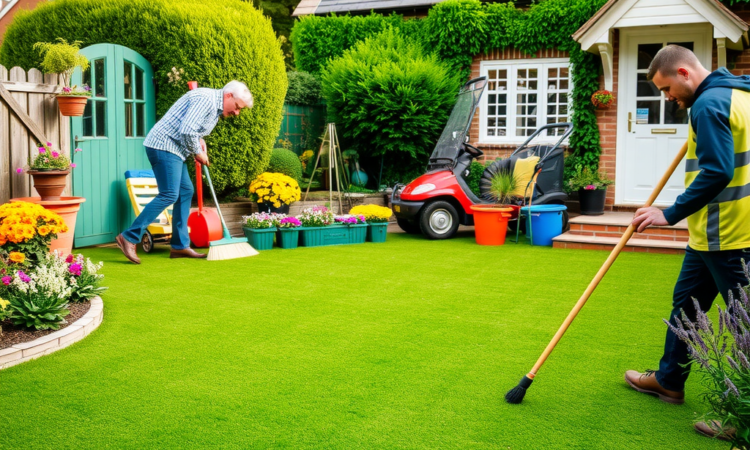
Embracing the beauty of an evergreen lawn without the hassle of conventional grass is a dream for many. Artificial grass has rapidly gained popularity across the UK for its low upkeep and consistent appearance. However, like any other outdoor feature, maintaining artificial grass is critical to ensure it remains in top condition. With a few DIY tips and tricks, UK homeowners can easily manage their lawns without the need to seek out an artificial grass maintenance service.
Proper care is essential for the longevity of your synthetic lawn. In the UK, specialized professionals offer comprehensive artificial grass maintenance uk services, ensuring your grass looks pristine year-round. Regular maintenance includes brush cleaning, deodorizing, and checking for any damages or debris. The benefits of maintaining artificial grass extend to safety, aesthetics, and durability. Investing in expert care not only enhances your outdoor space but also prolongs the life of your artificial turf, providing excellent value.
The Importance of Regular Maintenance
Like natural grass, artificial grass requires regular maintenance to keep it looking lush and inviting. This maintenance not only enhances its appearance but also prolongs its lifespan. Neglecting to properly maintain your artificial grass can lead to a variety of issues, such as discolouration, flattened fibres, and the growth of weeds.
Understanding the importance of artificial grass maintenance will empower you to take control of your outdoor space. With consistency and care, you can maintain artificial grass that feels as inviting as it looks.
Essential Tools for Artificial Grass Maintenance
Before diving into the methods of maintaining artificial grass, it’s crucial to gather some essential tools:
- Broom or Brush: A stiff-bristled broom or brush designed for artificial grass helps to detangle fibres and remove debris.
- Hose with a Nozzle: For regular washing and rinsing.
- Weed Killer: If weeds do set up shop, a safe, effective weed killer can help.
- Rake: A plastic rake can be beneficial for removing leaves and debris without damaging the grass fibres.
- Vacuum Cleaner: A vacuum cleaner designed for outdoor use can assist with deeper cleaning.
Cleaning Your Artificial Grass
Routine cleaning is an essential part of maintaining artificial grass. Here’s how to go about it:
Weekly Maintenance
- Remove Debris: Use your broom or rake weekly to clear away leaves, twigs, and other debris. Pay extra attention to areas where moisture might accumulate, as this can lead to mould or algae growth.
- Brush the Fibres: Brushing helps lift the blades and prevents them from lying flat. Aim to do this weekly to keep your grass looking fresh and full.
Monthly Maintenance
- Hose Down the Grass: At least once a month, give your artificial grass a rinse with a hose. This helps to remove dust and particles that may have settled into the fibres.
- Check for Weeds: Although artificial grass is designed to deter weed growth, sometimes they can sneak through. Perform a quick inspection and, if any weeds are found, treat them with weed killer promptly. Be mindful of using safe products that won’t harm your artificial grass.
Deep Cleaning Your Artificial Grass
Twice a year, consider giving your artificial grass a deep clean. Here’s how:
Artificial grass maintenance in the UK is crucial for preserving your lawn’s appearance and longevity. Regular upkeep ensures that your synthetic grass remains vibrant and functional, preventing common issues such as debris buildup and infrequent cleaning. By investing in professional services, you can extend the life of your artificial turf while ensuring it stays safe and hygienic for family and pets. For expert tips and services on maintaining your artificial grass, visit https://www.artificialgrassmaintenance.co.uk.
Managing Odours
If you have pets or young children, managing odours can become a concern. Here are some strategies to keep your artificial grass smelling fresh:
- Enzyme Cleaner: Using an enzyme-based cleaner specifically designed for pet odours can be beneficial. These products break down organic materials that cause smells.
- Baking Soda: A sprinkling of baking soda on the affected areas can also neutralise odours. Leave it for a few hours before rinsing it away.
Avoiding Damage to Your Artificial Grass
To maintain artificial grass effectively, be mindful of common practices that could cause damage:
- Avoid Sharp Objects: Tools with sharp edges can easily tear the fibres. Always use tools that are designed for use with artificial grass.
- Watch Out for Hot Objects: Be cautious with barbecues, fire pits, or any hot surfaces. Heat can degrade the material, leading to unsightly patches.
Professional Touch
While DIY maintenance is often straightforward, it may be beneficial at times to consult an artificial grass maintenance service. They can carry out thorough inspections, deep cleaning, and specialised treatments that may not be achievable at home. Researching “artificial grass maintenance near me” can help you find trusted professionals in your area.
Summary
Maintaining artificial grass isn’t just about aesthetics; it’s about preserving the health and longevity of your lawn. By integrating these practices into your gardening routine, you’ll keep your lawn looking vibrant and inviting all year round. With a little effort and love, artificial pitch maintenance can be simple, rewarding, and an enjoyable aspect of homeownership. So, gear up, grab your tools, and start making the most of your beautiful, low-maintenance lawn!