
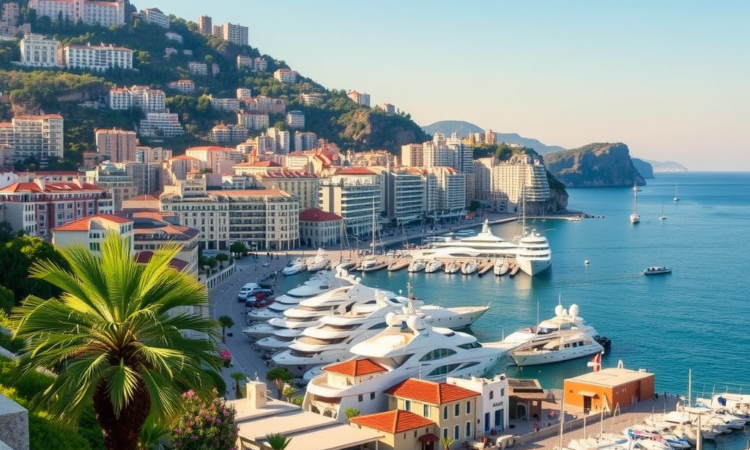
Relocating to Monaco is an intriguing proposition that many are considering today. The allure of this tiny principality nestled on the French Riviera draws those seeking a luxurious lifestyle, beautiful scenery, and favourable tax conditions. However, relocating to Monaco involves much more than simply packing your bags; there is a myriad of aspects to consider, from financial regulation to residency requirements.
This guide aims to provide a comprehensive overview for anyone contemplating a move to Monaco. With its unique status and various administrative procedures, it’s essential to be well-informed to navigate the relocation process successfully. Here is everything you need to know about making Monaco your new home.
Why Choose Monaco?
Monaco, known for its glamorous casinos, yacht-filled harbour, and prestigious Grand Prix, is not just a playground for the rich and famous. It offers a high standard of living, excellent healthcare, and top-tier international schools. Monaco is renowned for its safe environment, boasting one of the lowest crime rates globally, making it an ideal locale for families and individuals alike.
Furthermore, the principality’s lack of personal income tax is a significant draw for many relocating to Monaco. While the cost of living can be high, the financial benefits often offset these expenses, making it an attractive option for wealthy individuals and successful entrepreneurs.
FAQ: Relocating to Monaco
What are the main benefits of relocating to Monaco?
Relocating to Monaco offers numerous advantages, including a favorable tax environment, a high quality of life, stunning Mediterranean views, and world-class amenities such as luxury shopping and fine dining. Additionally, residents enjoy year-round sunshine and a safe community.
What are the residency requirements for moving to Monaco?
To obtain residency in Monaco, you must provide proof of accommodation (either rented or owned), demonstrate financial self-sufficiency (via bank statements or income proofs), and submit an application with the necessary supporting documents. Non-EU citizens may also need to apply for a visa before moving.
Is it necessary to speak French when relocating to Monaco?
While French is the official language of Monaco, English is widely spoken due to the international community residing there. However, knowing basic French can be beneficial for integration into daily life and understanding local culture.
How much does it cost to live in Monaco?
Living in Monaco can be quite expensive. Housing prices vary significantly based on location and property type; renting an apartment in desirable areas may cost several thousand euros per month. Additional costs include groceries, utilities, healthcare (which is excellent but premium-priced), and entertainment.
Are there good schools available for expatriate children in Monaco?
Yes! There are several reputable schools in Monaco that cater specifically to expatriate families. The International School of Nice is popular among international families due its IB curriculum while also offering British curricula options nearby.
How easy is it for foreigners to find employment in Monaco?
Finding employment can be challenging due primarily because choices come down mainly local jobseekers being favored – therefore making knowledge of both English & French advantageous! Specific sectors like hospitality or finance often have more openings; however networking remains vital!
What healthcare services are available after relocating?
Monaco has an excellent public healthcare system as well as private facilities featuring cutting-edge technology—all filled by experienced professionals—including full prescriptions coverage through contribution schemes—state regulations ensure any resident enjoys access regardless if they’re self-employed or not!
Can I drive my car after relocating to Monte Carlo?
While you can certainly bring your vehicle upon relocation important factors lie ahead simple registration expenses taxes levied on ownership can jingle substantially affecting long-term budgets highly-populated tourist zones might warrant alternate transport modes though!
Feel free reach out if there’s anything else regarding "relocating" that tickles your fancy!
Understanding Residency Requirements
To become a resident of Monaco, certain criteria must be met. Applying for residency can involve a lengthy process, so understanding the requirements early is crucial for a smooth relocation.
Types of Residency
There are different categories of residency in Monaco:
Application Process
To initiate the residency application process, you will need to provide several documents, including:
- A valid passport
- Birth certificates
- Criminal record certificate
- Proof of accommodation (e.g., rental agreements)
- Proof of financial self-sufficiency (bank statements, proof of income)
Costs Involved
There are administrative fees associated with the application process that should be factored into your budget. Additionally, rental prices in Monaco can be steep, often ranging from €3,000 to €10,000 for even modest properties, depending on location and amenities.
Housing and Accommodation Options
Finding a suitable place to live is a priority for anyone relocating to Monaco. The housing market is competitive, with a limited supply of properties due to the principality’s small size.
Property Types
Monaco offers a diverse range of housing options, including:
- Apartments: The most common choice, with varying sizes and prices.
- Condos: Luxury buildings offering high-end amenities like pools and gyms.
- Villas: Rare in Monaco but provide a spacious alternative for large families.
Rental Market
Renting is generally the preferred choice, especially for newcomers. It is advisable to engage a local real estate agent familiar with the market to help you navigate your options, as prices can drastically vary based on the neighbourhood and the property’s proximity to schools, shops, and transport links.
Cost of Living in Monaco
Monaco is famous for its luxurious lifestyle, and the cost of living reflects this. However, many residents argue that the benefits outweigh the investment.
Monthly Expenses Overview
- Housing: Often the largest expense; a one-bedroom apartment can easily run over €4,000 per month.
- Food and Groceries: Generally higher than in neighbouring France, with an average weekly grocery bill for a single person at approximately €100–150.
- Transportation: While public transport is efficient, many prefer to use taxis or private cars. Monaco also has a well-connected bus network.
- Leisure Activities: High-end dining and entertainment options are plentiful but come with premium prices.
Banking and Financial Services
Monaco is recognised internationally as a financial hub, making it an excellent location for banking and investment.
Opening a Bank Account
To open a bank account in Monaco, you must provide:
- Proof of residence
- Identification
- Financial information (proof of income or wealth)
Taxation Benefits
One of the most significant advantages of relocating to Monaco is its favourable tax regime. There is no personal income tax, allowing residents to enjoy their earnings without excessive taxation. However, it’s essential to consult a financial advisor to understand other tax obligations, such as inheritance tax or taxes on wealth.
Education in Monaco
If you have children, the education system in Monaco is a significant consideration when relocating.
School Options
There are several schooling options, including:
- Public Schools: Tuition-free schools follow the French educational system.
- Private International Schools: Offer an international curriculum and high standards, such as the International School of Monaco.
Many schools require a residency permit for admission, so ensure that your application for residency is in progress before applying for schools.
Cultural Integration
Embracing the local culture and community is vital for successfully settling in Monaco.
Relocating to Monaco offers a unique blend of luxury living and stunning Mediterranean views. With its favorable tax laws, vibrant culture, and a safe environment, it’s an ideal destination for expatriates. For those considering a move, expert guidance can make the process smoother. Explore valuable resources by visiting https://www.relocation-monaco.com/ and start your journey today!
Language
While French is the official language, many residents speak English due to the international community. However, learning a few French phrases can significantly help you integrate and connect with locals.
Cultural Activities and Events
Monaco is rich in cultural activities, including art exhibitions, concerts, and the famous Monaco Grand Prix. Engaging in local events can help establish connections and make your relocation feel more like home.
By understanding these essential aspects of relocating to Monaco, you can prepare yourself for a seamless transition into this enchanting principality.